Vizsla vs Weimaraner for Hunting: Which Dog Performs Better in the Field?
Choosing Between Two Capable Field Dogs
Hunters comparing a Vizsla vs. a Weimaraner are usually not choosing between a good dog and a bad one. Both breeds were built for pointing and retrieving work in the field, and both remain active on the AKC pointing breed field trial circuit today.
The real decision comes down to which dog's stamina, coat, and temperament fit your terrain, your climate, and the kind of hunting you actually do.
For Texas hunters, that decision carries an added layer. Heat tolerance, ground cover, and Texas hunting-dog regulations governing where and how dogs can be used in the field all shift the calculation in ways that generic breed guides do not address.
In this article, we'll compare
Vizsla vs. Weimaraner hunting traits, including stamina, coat, trainability, and working style, so you can decide which breed better matches your goals.
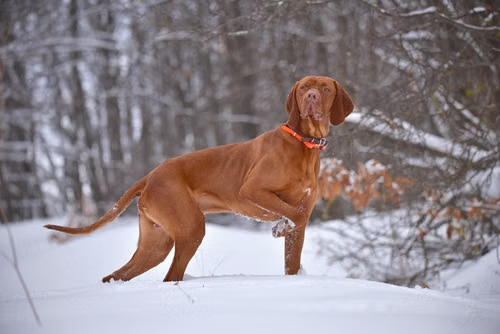
Quick Comparison: Vizsla vs Weimaraner for Hunting
| Trait | Vizsla | Weimaraner |
|---|---|---|
| Coat | Short, smooth, close-lying, no woolly undercoat | Short but denser undercoat, less heat-adapted |
| Stamina | High, built for long walking hunts | High, built for wider-ranging pointing work |
| Trainability | Strong handler bond, responsive | Independent, needs firm early handling |
| Field trial history | Active on the AKC pointing breed circuit | Active in Weimaraner Club of America field trials |
| Size | Males 22 to 24 inches at the shoulder | Larger, typically 55 to 90 lbs |
| Best suited for | Family-and-field dual role | Dedicated wide-range fieldwork |
What the Vizsla Offers as a Hunting Companion
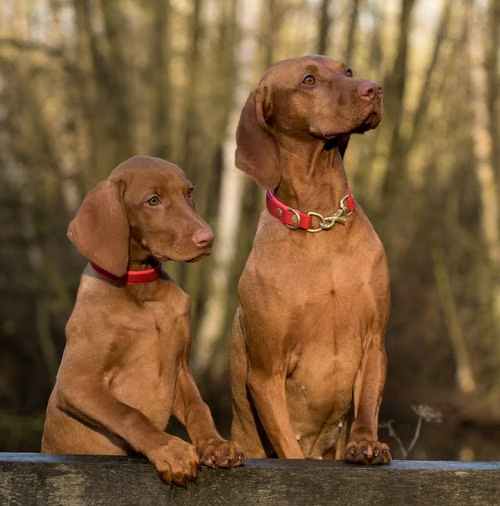
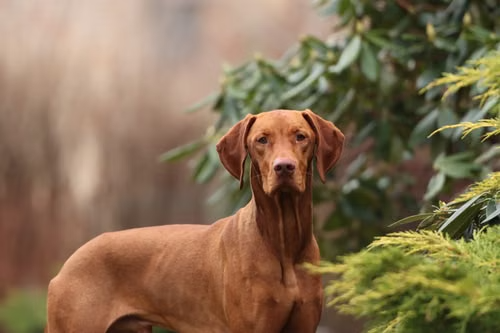
The official AKC breed standard describes the Vizsla as a natural hunter with a good nose and above-average ability to take training, alongside a lively, affectionate temperament suited to family life. That dual nature is why the breed works as both a field dog and a household companion.
1. Field Performance and Stamina
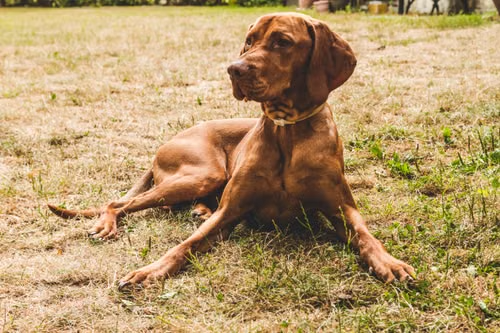
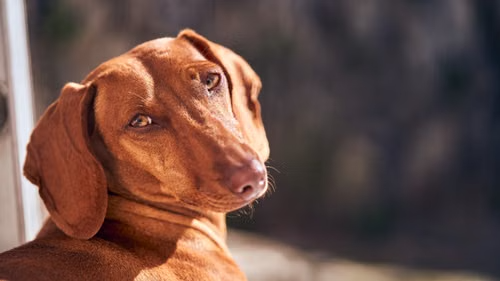
The Vizsla's coat is short, smooth, and close-lying with no woolly undercoat, which helps the dog shed heat efficiently across long Texas hunting days where shade is scarce and temperatures climb fast, according to the AKC standard.
Its moderate build, with males standing 22 to 24 inches at the shoulder, also means less joint strain during all-day walking hunts compared to a heavier-framed dog covering the same ground.
2. Trainability and Bond with Handler
First-time hunters often underestimate how much a dog's willingness to check back with its handler affects a hunt's success. Vizslas are recognized for staying close to their handler's pace rather than ranging far out of sight, which reduces the retraining friction that new owners often hit during the first season.
3. Proven Hunting and Field Trial Bloodlines
Before choosing a Vizsla for hunting, ask the breeder whether bloodline history can be documented and whether the parents come from hunting, field trial, or show lines suited to your needs.
A pedigree on paper means little without a chance to see the parents and confirm that lineage in person, and Texas hunters using dogs in the field should also confirm their hunting activity falls within state dog-use regulations before the season starts.
What the Weimaraner Offers
Weimaraners remain active competitors in Weimaraner Club of America field trials, where dogs six months or older become eligible to compete in pointing-breed events. They tend to range wider than Vizslas during a hunt and carry more raw drive, which suits handlers working large open tracts.
Their coat, while short, runs slightly warmer under sustained heat than a Vizsla's, and their independent streak can demand a firmer, more experienced hand during early training.
The Key Differences That Matter for Hunters
The comparison above covers traits on paper. The differences that actually change a hunt's outcome go deeper than coat length or top speed.
Difference 1: Coat and Climate Tolerance
Yes, the Weimaraner is a capable, wide-ranging hunter. But its coat runs slightly warmer under sustained heat, which matters across a full Texas hunting season where early fall days can still hit triple digits. This is not a disqualifying flaw, and Weimaraners hunt successfully across the Southwest every season.
It simply means a Vizsla's coat, described in the AKC standard as dense and close-lying without an undercoat, gives it a marginal edge on the hottest hunting days.
Difference 2: Verified Bloodline Access
Most breed comparisons stop at temperament and coat. What they skip is the part that actually determines whether a puppy grows into a capable field dog: whether the breeder can verify the bloodline at all. This gap matters because the risks of skipping verification are documented and real.
The USDA's Animal and Plant Health Inspection Service enforces the Animal Welfare Act primarily through unannounced inspections of licensed breeding facilities, according to USDA APHIS, and the agency publishes its full annual inspection and enforcement reports for public review.
Federal rules further clarify that any breeder selling dogs at the wholesale level for pets, hunting, or breeding purposes generally requires a USDA license, per official USDA licensing guidance.
A hunting dog's field performance depends on sound hips, sound temperament, and early socialization, all of which are harder to verify without an in-person visit to meet the puppy and its parents before committing.
This is the piece missing from most Vizsla vs Weimaraner comparisons: the breed you choose matters less than whether you can actually verify the bloodline, licensing status, and health history behind the specific puppy you are considering.
Which Breed Is Best for You?
- Best for Texas hunters wanting an all-around field-and-family dog in hot climates: the Vizsla.
- Best for handlers with hunting experience covering wide, open terrain in cooler seasons: the Weimaraner.
- Best for first-time hunting dog owners who want a closer working bond: the Vizsla.
Frequently Asked Questions
Q1. Which breed is easier for first-time hunters to train?
Vizslas generally suit first-time hunters better because they stay closer to the handler and respond well to consistent, positive training rather than needing a firm, experienced hand from day one.
Q2. Do Vizslas handle Texas heat better than Weimaraners?
Both breeds need careful heat management in Texas. Their short coats do not make either breed immune to heat stress, so hunters should plan activity around conditions, provide water and shade, and allow adequate rest.
Q3. Are Weimaraners better at wide-range field work?
Weimaraners tend to range farther during a hunt due to their build and independent drive, which suits handlers working large, open properties, and the breed remains active in official field trial competition.
Q4. How do I verify hunting bloodlines and breeder licensing before reserving a puppy?
Request documented lineage, confirm the parents come from hunting or field trial lines, and check whether the breeder's operation falls under USDA licensing requirements before placing a deposit.
Q5. What health screening should a hunting puppy have before going home?
A responsible breeder provides first vaccinations and deworming before the puppy leaves, along with full transparency about the parents' health history and any screening completed.
Q6. Are there Texas rules on using dogs while hunting?
Yes, Texas regulates how and where dogs can be used for hunting certain game, and hunters should review current Texas Parks and Wildlife hunting-dog guidance before the season begins.
Making the Decision With Verified Information
Both breeds can perform well in the field, but performance starts with the breeder, not the breed alone.
If you are comparing a
Vizsla vs. a Weimaraner for hunting, visit Rock'n Roz Vizslas to meet the puppies and their parents, learn about their hunting and field trial bloodlines, and find a puppy that fits both your field goals and family life.